Trezor.io/Start
Setting up a hardware wallet for the first time can feel intimidating, but it doesn’t have to be. Whether you’ve purchased a Trezor Model T or a Trezor Model One, the process is designed to be simple, secure, and beginner-friendly. The official place to begin is trezor.io/start, where Trezor guides new users through the steps needed to initialize their device, create a recovery seed, and start managing cryptocurrencies safely. This guide walks you through the same general concepts in clear, straightforward language so you know exactly what to expect before you begin.
What Trezor Is and Why Setup Matters
A Trezor hardware wallet is a small, secure device that stores the private keys to your cryptocurrency offline. This is important because private keys are what allow you to send and control your crypto. If they remain online—on an exchange or in a software wallet—they are more vulnerable to hacking, malware, and accidental loss. By moving your keys into a hardware wallet, you give yourself an added layer of security.
However, the setup process matters just as much as the device itself. During setup, the wallet generates a recovery seed, which is a series of words that act as the master backup for all your crypto accounts. Anyone who gets these words can access your funds—so handling them correctly is critical. The official setup page exists to ensure you follow the proper steps in the right order.
Starting at Trezor.io/Start
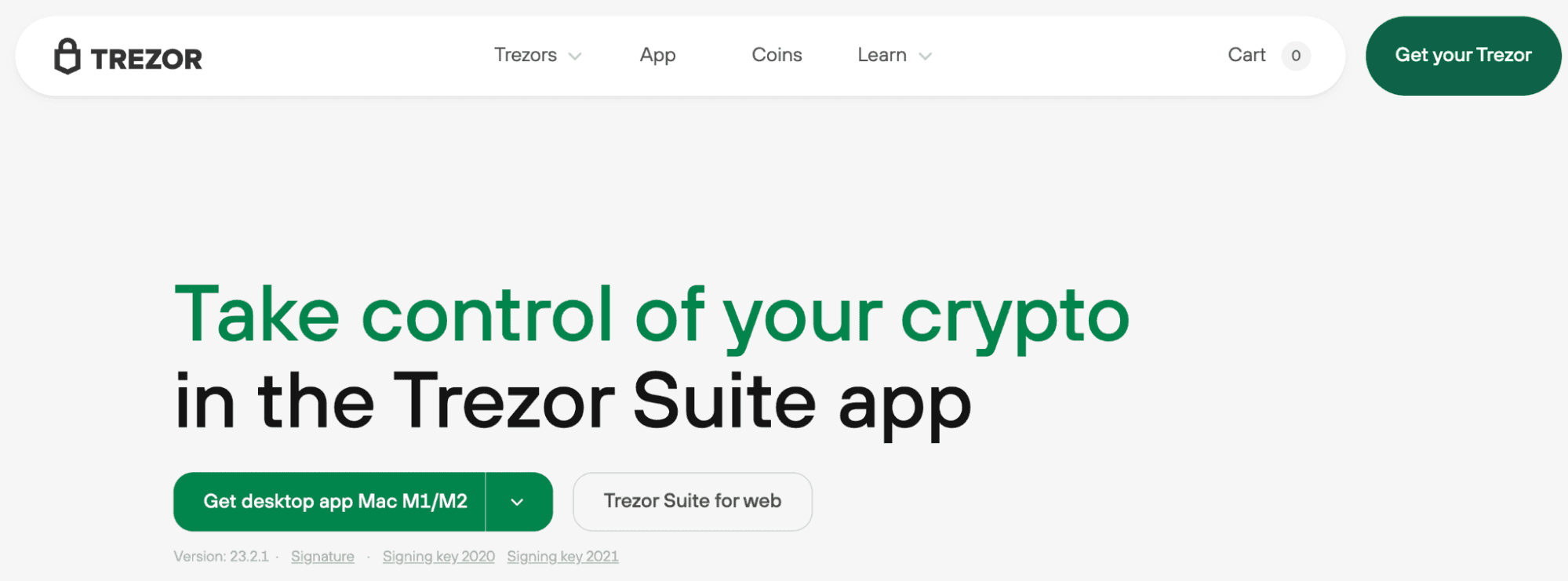
When you go to trezor.io/start, the first thing you’ll see is a page that identifies your device and directs you to download Trezor Suite, the software that lets you interact with your hardware wallet. Suite is available for Windows, macOS, and Linux. It provides a secure interface where you can view balances, send and receive crypto, update firmware, and manage accounts.
Before installing any software, it’s always a good idea to double-check that you are on the correct website. Type the URL directly into your browser and make sure the connection is secure. Because hardware wallets deal with valuable assets, phishing websites sometimes try to mimic the real setup page. Avoid using search engines to navigate to the link—typing the address yourself is the safest approach.
Downloading and Installing Trezor Suite
Once on the correct page, you’ll download the appropriate version of Trezor Suite for your operating system. Installation is straightforward: open the downloaded file, follow the prompts, and allow the program to run. When it first launches, Suite will instruct you to connect your Trezor using the included USB cable.
If your device is new, it may not yet have firmware installed. Trezor Suite will detect this and guide you through the firmware installation. Firmware is the software running inside the device, enabling it to communicate securely and perform cryptographic functions. Installing or updating firmware should only be done through the official Suite application—never through third-party files or websites.
Creating Your Recovery Seed
After firmware installation, Suite will prompt you to create a new wallet. This is where the recovery seed comes in. Depending on your device model, you’ll receive either a 12-word, 18-word, or 24-word seed phrase. The device screen will display the words one by one, and you will write them down on the provided recovery card.
This part of the process is extremely important:
Never take photos of your seed.
Never store it digitally.
Never share it with anyone.
Your recovery seed is the only backup that can restore access to your wallet if the device is lost or damaged. Trezor does not store it, cannot recover it, and will never ask for it outside the initialization process. Keeping it safe is your responsibility.
After writing the words down, the device will usually require you to confirm them by re-entering or verifying them. This ensures you’ve copied them accurately.
Setting a PIN
Next, you will set a PIN code on the device. This PIN protects your Trezor from unauthorized physical access. Each time you plug in the wallet, you will need to enter your PIN before you can use it. Choose a PIN that’s hard to guess but easy for you to remember. Suite provides a secure visual interface for entering your PIN without exposing it to keyloggers.
Adding Cryptocurrency Accounts
Once your Trezor is initialized, you can add the crypto accounts you want to manage. Trezor Suite allows you to create accounts for popular coins such as Bitcoin, Ethereum, and many others. Each account is represented by a public address, which you can use to receive funds.
To receive crypto, simply select the currency, choose “Receive,” and copy your address. Suite will also show a QR code that your sender can scan. When sending crypto, the wallet screen will show the transaction details for you to confirm before approving. This verification step ensures that malware cannot secretly change the destination address.
Keeping Your Wallet Secure
After setup, maintaining good security habits is essential. Here are a few best practices:
Keep your device firmware up to date through Trezor Suite.
Store your recovery seed in a safe, offline location—preferably in multiple secure places.
Never enter your recovery seed into any device, website, or app other than your Trezor during recovery.
Be cautious of emails or messages claiming to be support staff; legitimate support will never ask for your seed.
Final Thoughts
Using trezor.io/start to set up your device ensures you follow the official and safest path to initializing your hardware wallet. The process is simple—download Suite, install firmware, create your seed, set a PIN, and start managing your crypto. With proper setup and careful handling of your recovery seed, a Trezor wallet provides one of the strongest layers of protection available for long-term digital asset security.